As older family members age, they may become more forgetful, irritable, or show changes in personality. Families often wonder: are these changes simply part of normal aging?
Early signs are often subtle and difficult to identify through behavior alone.
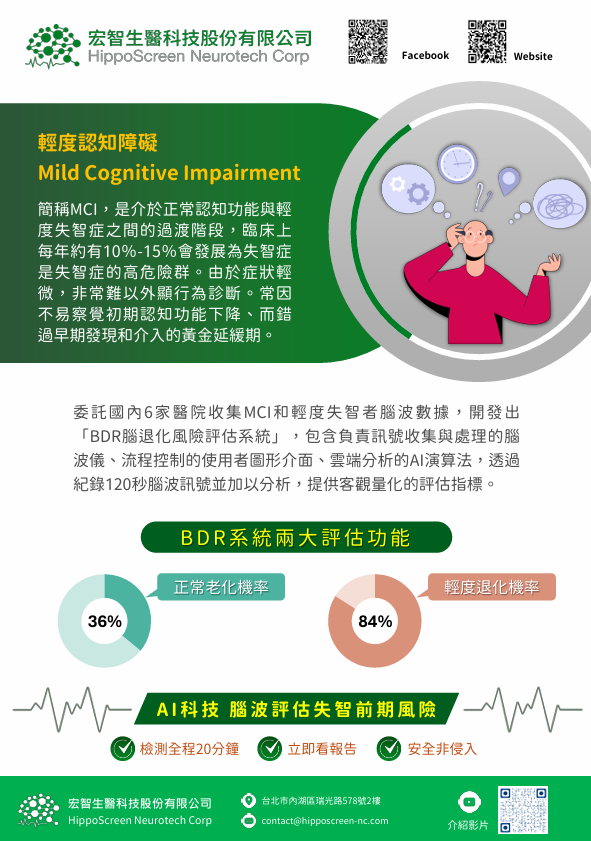
MCI is a transitional stage between normal cognitive aging and dementia.
Clinically, approximately 10–15% of individuals with MCI progress to dementia each year.
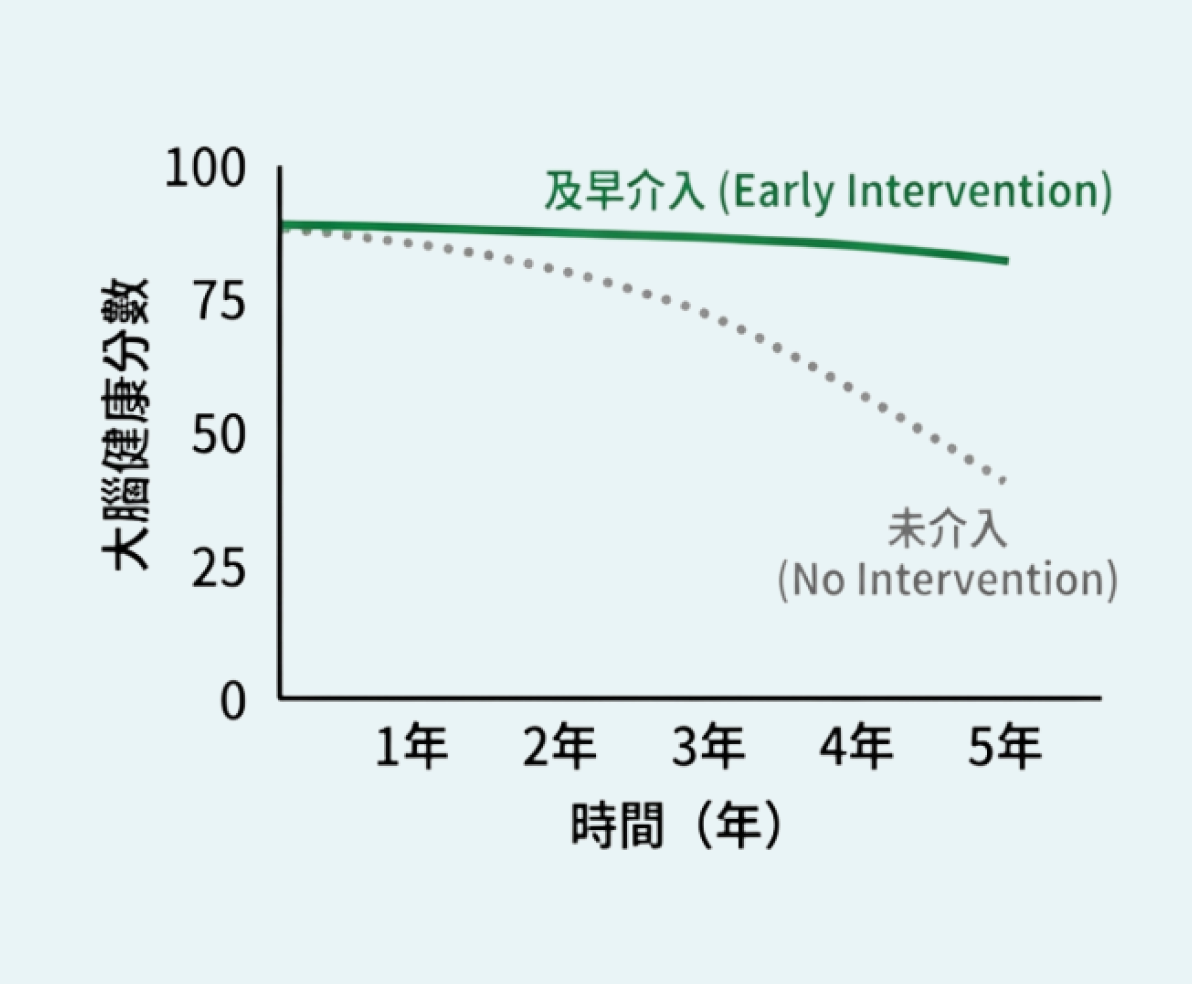
This period represents a critical window for early detection and intervention.
An Objective Guide to Brain Health
Advanced AI-powered EEG analysis enables simple, objective early screening for cognitive decline.
Objective
Quantitative
Non-invasive
Trained on EEG data collected from six leading hospitals in Taiwan, including patients with MCI and early-stage dementia.
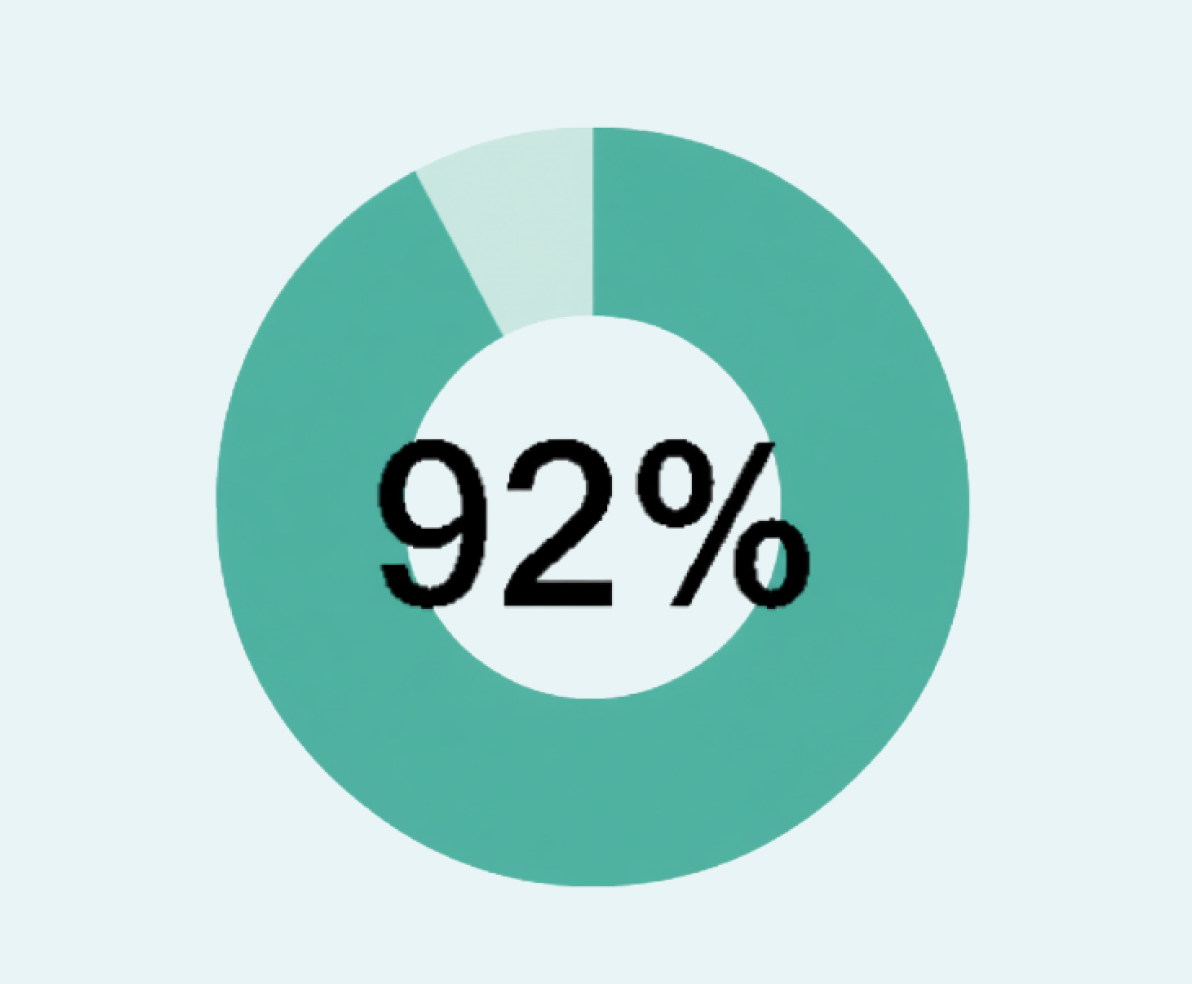
Probability of Normal Aging
Evaluates whether cognitive changes remain within the normal range of aging.
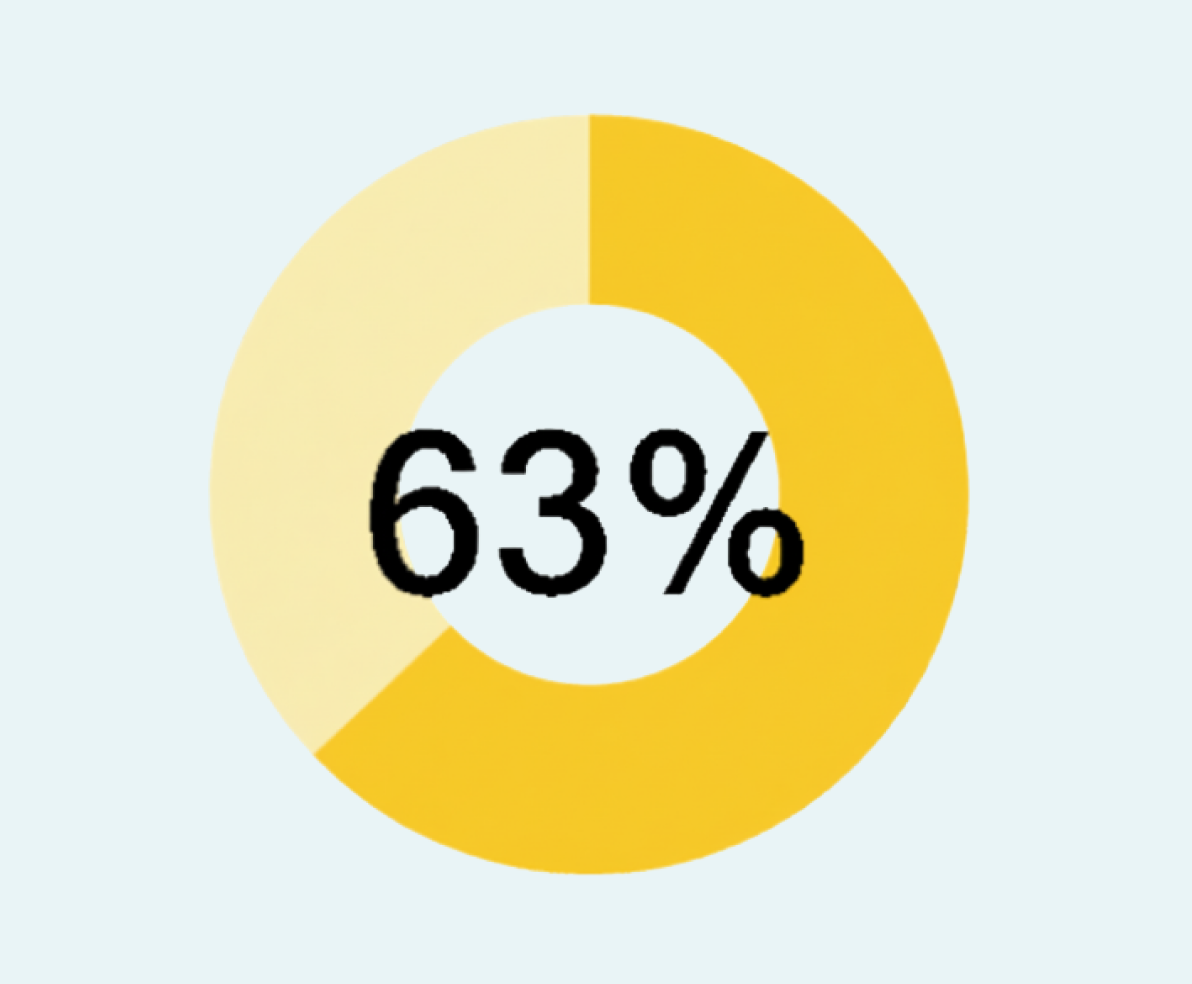
Probability of Mild Cognitive Decline
Evaluates whether cognitive changes remain within the mild impairment range.
Is it Normal Aging?
For older adults experiencing mild forgetfulness, irritability, or personality changes, this assessment helps determine whether these changes are consistent with normal aging patterns.
MCI or Dementia?
For individuals showing early signs of decline, ongoing assessments help track cognitive changes over time and support timely intervention.
Non-invasive and painless
Senior-friendly with no active tasks required
Instant analysis and reporting
A safe, comfortable, and efficient assessment experience
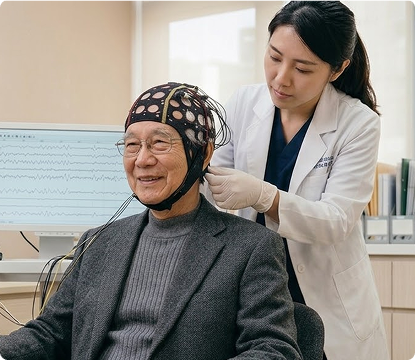
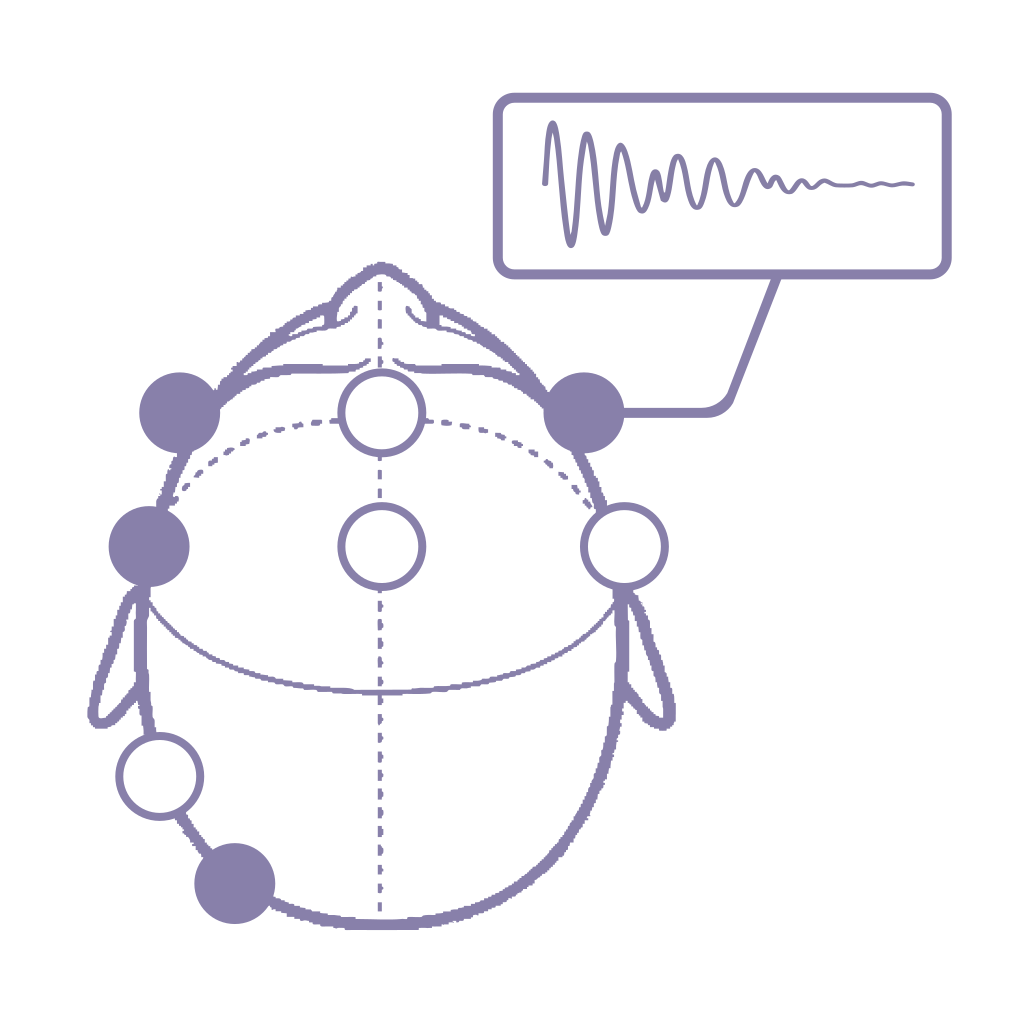
A trained professional helps fit the EEG cap for a comfortable, hassle-free experience.
Fill in basic information.
Electrodes are fine-tuned using real-time visual feedback to ensure optimal signal quality.
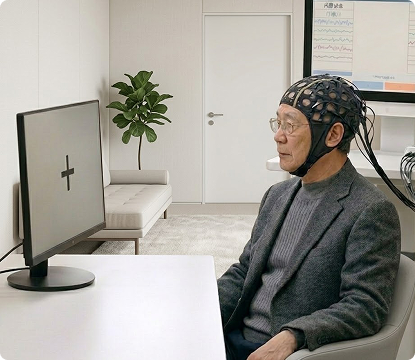
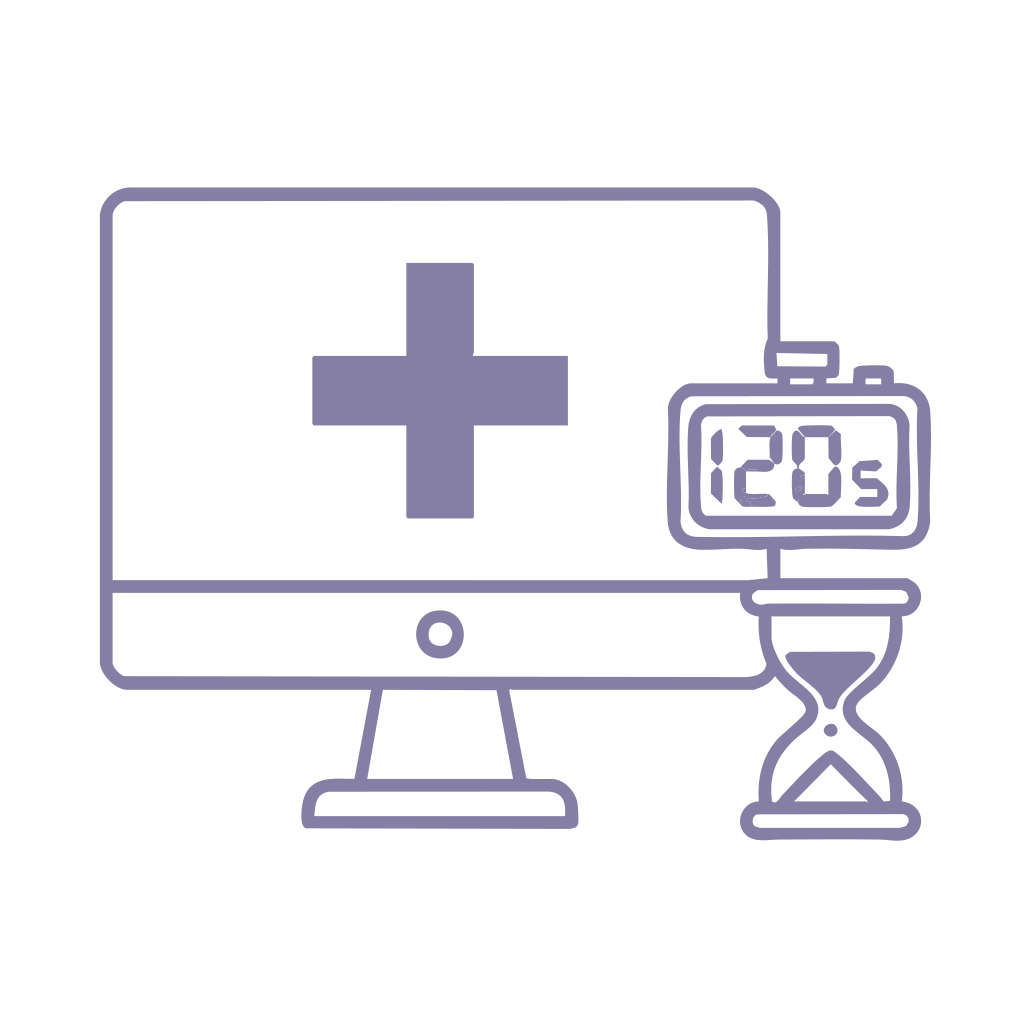
Focus on the “+” on screen for 120 seconds while the system records your brain activity.
Transforms brain health data into clear, easy-to-understand visual insights with objective, quantitative indicators.
Sample Report
Probability of Normal Aging > 50%
Your results are consistent with normal cognitive aging.
Maintain healthy daily routines, quality sleep, and regular mental stimulation to support long-term brain health.
We recommend annual follow-up assessments to monitor cognitive wellness over time.
Sample Report
Probability of Mild Cognitive Decline > 50%
Early detection creates valuable opportunities for intervention.
We recommend consulting a healthcare professional for further evaluation.
Cognitive training and lifestyle adjustments may help slow progression and support long-term brain health.
Long-term Brain Health Tracking
BDR – Brain Degeneration Risk Assessment supports ongoing monitoring for individuals at higher risk of cognitive decline.
By tracking neurophysiological changes over time, BDR helps clinicians and families:
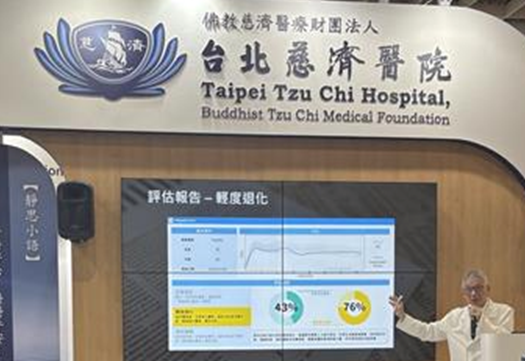
Adopted by Dementia Co-Care Centers across the Tzu Chi hospital network in Taiwan.
to help differentiate depression-related "pseudo-dementia" from true cognitive decline.
Fast
Complete the assessment in just 15 minutes with instant on-site reporting.
Precise
Advanced AI analysis powered by 120 seconds of EEG data.
Safe
Non-invasive and radiation-free, providing objective insights instead of subjective guesswork.