Understanding Mild Cognitive Impairment

From Recognition to Action: The Golden Window for Early Intervention

Hidden Crisis

Dementia population approx. 8%

MCI population approx. 18.8%

Each year, 10–15% of the MCI population progresses to dementia. Early screening closes the 3.5-year gap in delayed care.

Risk of progressing to dementia
10x Risk of progressing to dementia
Delayed medical care
3.5 yrs Delayed medical care
Iceberg illustration
Dementia population approx. 8%
MCI population approx. 18.8%

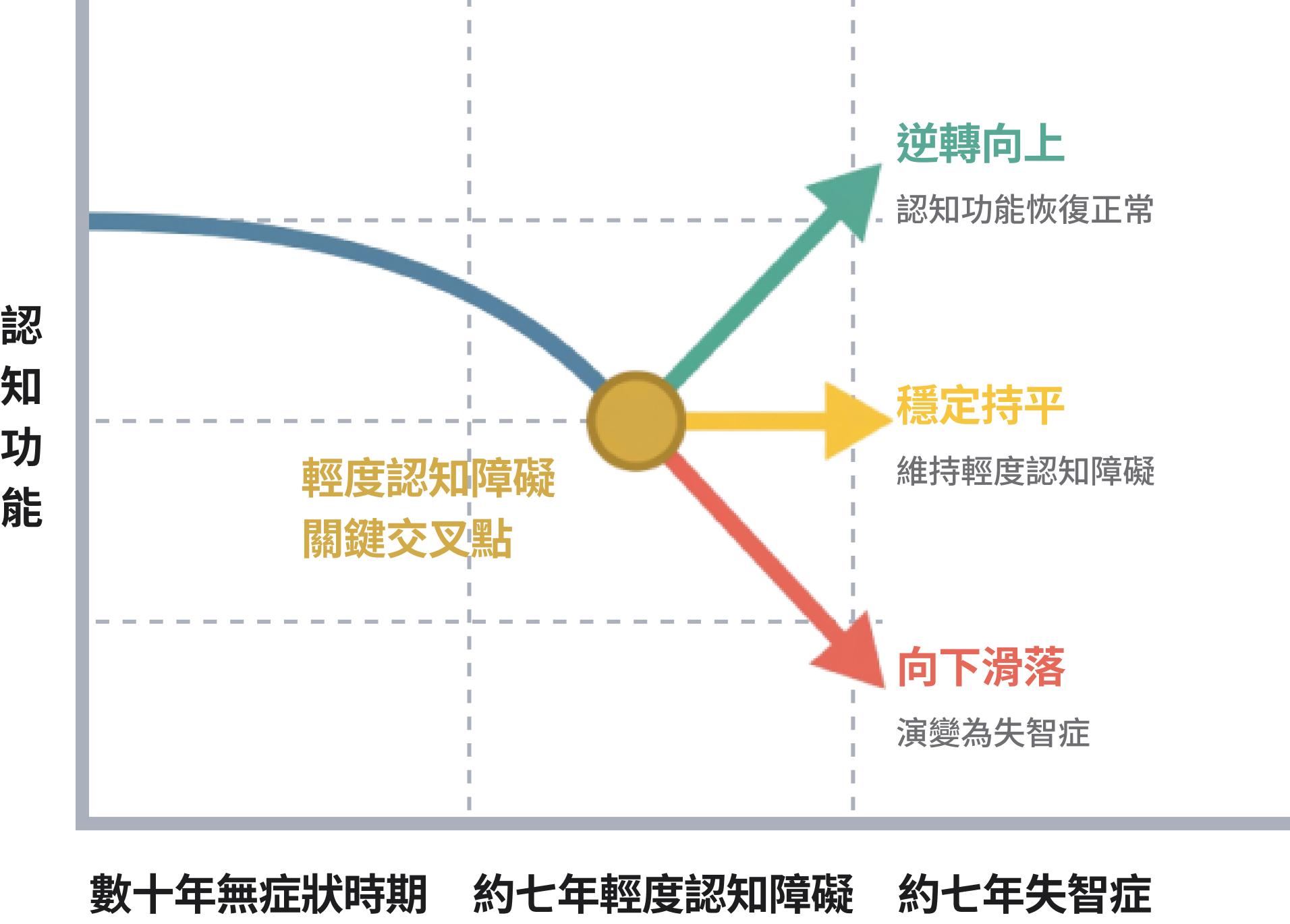
Cognitive Health Trajectory and the Golden Watershed

Alzheimer's disease is irreversible, but MCI is an intervene-able golden crossover point.

Cognitive health trajectory and golden watershed chart

Decoding MCI: The Brain's Subtle Warning Signals

Alzheimer's disease is irreversible, but MCI is an intervene-able golden crossover point.

Amnestic MCI

Core Features

Significant memory decline

Real-life Examples

  • Forgetting recent events
  • Repeatedly asking the same questions
  • Forgetting important appointments
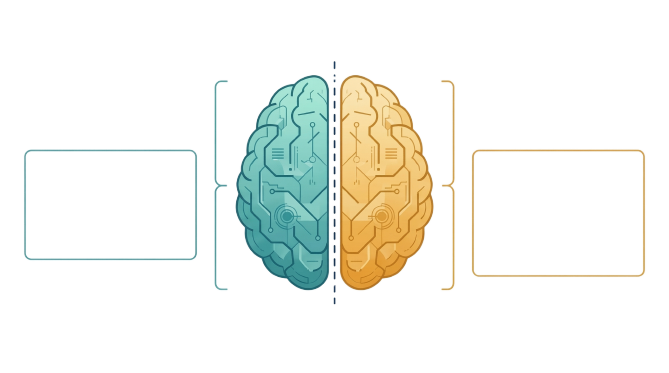
MCI brain illustration

Non-amnestic MCI

Core Features

Impairment in cognitive functions beyond memory
e.g., executive function, visuospatial perception

Real-life Examples

  • Making irrational decisions
  • Difficulty judging steps in complex tasks

Core Diagnostic Criterion:

Despite these changes, patients retain the ability to independently perform most daily living activities

Forgetfulness or Early Cognitive Decline?

Memory Decline

Forgetfulness
Occasionally forgetting something but recalling it later
Early Cognitive Decline
Forgetting recent events and unable to recall them

Mood and Personality Changes

Forgetfulness
Feeling annoyed when routine is disrupted
Early Cognitive Decline
Unexplained confusion, suspicion, depression, or anxiety

Social Withdrawal

Forgetfulness
Occasionally feeling tired at family gatherings
Early Cognitive Decline
Completely abandoning hobbies and social activities

Visuospatial Ability

Forgetfulness
Blurred vision due to cataracts
Early Cognitive Decline
Unable to judge distances or recognize color contrasts

Handling Familiar Tasks

Forgetfulness
Occasionally needing help setting up the TV
Early Cognitive Decline
Forgetting how to get to a familiar supermarket or play a well-known game

Time and Place Confusion

Forgetfulness
Occasionally forgetting what day it is
Early Cognitive Decline
Getting lost on familiar streets near home

Misplacing Items

Forgetfulness
Forgetting where the keys are
Early Cognitive Decline
Putting a watch in the fridge and unable to retrace steps to find it

Impaired Judgment

Forgetfulness
Occasionally making a wrong decision
Early Cognitive Decline
Losing sense of monetary value, easily falling for scams

Verbal Expression

Forgetfulness
Occasionally unable to find the right word
Early Cognitive Decline
Difficulty naming common objects (e.g., calling a watch the clock on my hand)

Planning Difficulties

Forgetfulness
Occasionally forgetting monthly bills
Early Cognitive Decline
Unable to follow a familiar recipe or handle daily finances

Three Major Types of Dementia

01

Alzheimer's Disease(60–70%)

Beta-amyloid protein accumulation.
Significant memory decline that worsens over time.

02

Vascular Dementia(15–20%)

Brain vascular blockage / post-stroke sequelae.
Sudden onset or stepwise deterioration.

03

Lewy Body Dementia(5–10%)

Lewy body deposits. Fluctuating attention,
vivid visual hallucinations, often with Parkinsonian symptoms.

Geriatric depression and pseudodementia

High-Risk Red Flag: Geriatric Depression and
the "Pseudodementia" Trap

Depression is a core risk factor for dementia, causing poor concentration, memory issues, or brain fog.

Symptoms highly overlap, often misdiagnosed as early dementia, delaying the optimal window for intervention.

Pseudodementia is highly reversible with proper treatment; early identification and differentiation are crucial.

Timeline color bar

Early Life

Improve education level

Mid-life

Correct hearing loss
Prevent traumatic brain injury
Control hypertension
Avoid excessive alcohol
Maintain healthy weight

Later Life

Prevent depression
Avoid smoking
Maintain social engagement
Regular exercise
Correct vision loss
Control diabetes
Control high cholesterol
Avoid air pollution

Building the Golden Defense Line:
14 Modifiable Risk Factors

By properly managing these 14 factors,
45% of dementia cases can be prevented or delayed .

MIND Diet Brain Health Scorecard

The MIND diet combines key principles of the Mediterranean and DASH diets to support long-term brain health.
Research has shown that consistent adherence over five years may help slow cognitive decline and reduce the risk of Alzheimer's disease by up to 53%.

10 Brain-Healthy Foods (Eat More)

Whole Grains Whole Grains
Beans Beans
Dark Green Vegetables Dark Green Vegetables
Poultry Poultry
Other Vegetables Other Vegetables
Fish Fish
Berries Berries
Cooking Oils Cooking Oils
Nuts Nuts
Red Wine Red Wine

5 Brain-Harming Foods (Eat Less)

Red/Processed Meat Red/Processed Meat
Cheese Cheese
Pastries & Sweets Pastries & Sweets
Fried Food Fried Food
Butter/Margarine Butter/Margarine

Non-Pharmacological Prescriptions: Three Pillars of Brain Activation

Physical & Environmental Physical & Environmental
Regular exercise

30 minutes of walking or exercise daily.

Light Therapy

Morning sunlight vs. evening light, stabilizing the circadian clock.

Environmental Adjustment

Reduce noise and stimulation to decrease agitation.

Cognitive & Mental Cognitive & Mental
Cognitive Training

Scrapbooking, copying texts, playing chess — frustration-free brain exercises.

Reality Orientation

Clearly inform about current people, time, and place without quiz-style pressure.

Art Creation

Tangible creations bring a sense of accomplishment and help maintain attention.

Social & Emotional Social & Emotional
Reminiscence Therapy

Using familiar objects to guide childhood memories and organize verbal expression.

Music & Dance

Combining movement with rhythm for a synergistic effect.

Cognitive Enhancement Groups

Fulfilling social needs through peer encouragement.

Illustration of traditional scale limitations

Limitations of Traditional Scales

False Negative Trap

Masking of early symptoms by highly educated individuals

Subjective Emotional Interference

Severely affected by mood, sleep, or test anxiety

Gray Zone Vacuum

At the pass/fail boundary, unable to capture true neurophysiological decline

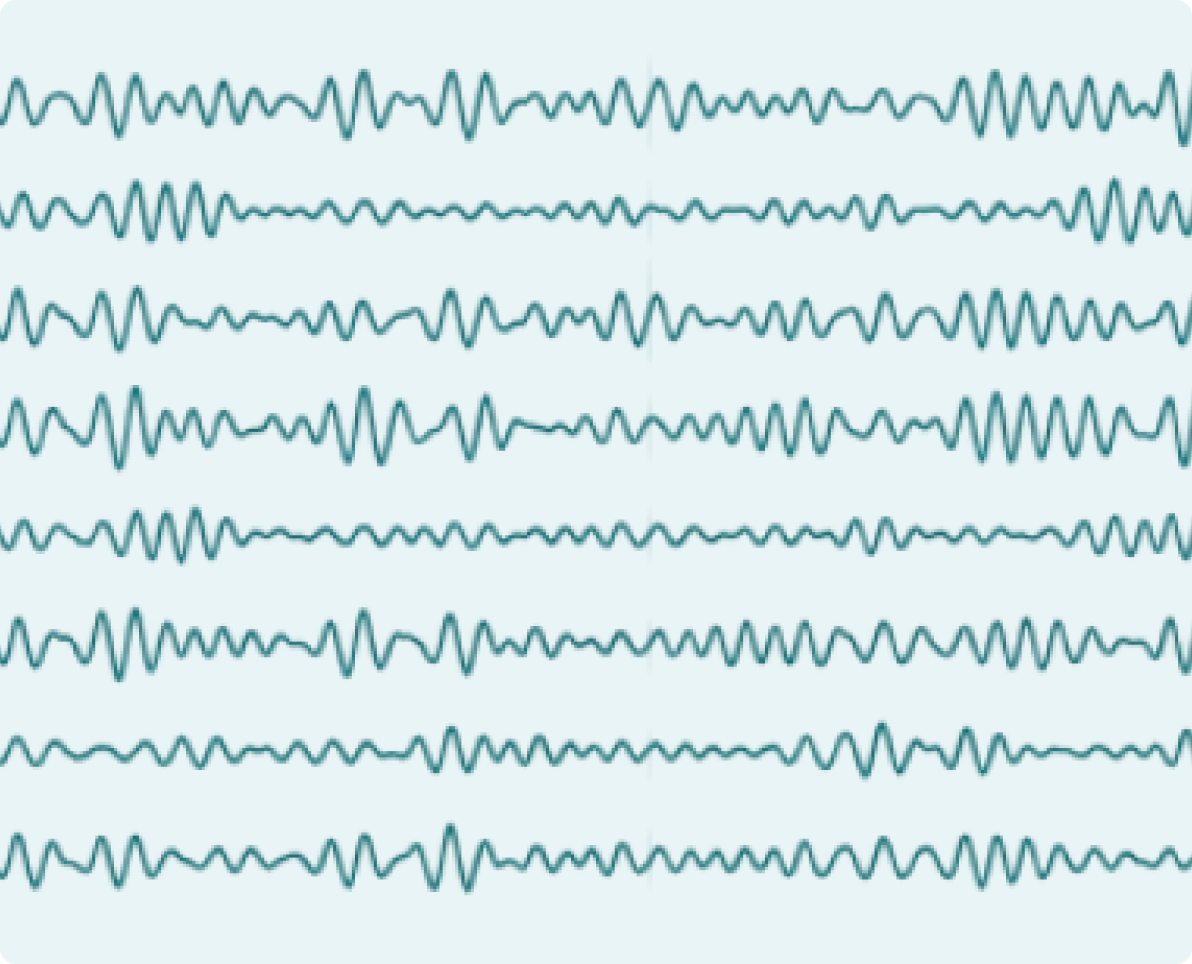
Illustration of EEG assessment advantages

EEG Assessment Advantages

Objective Physiological Indicators

Detection through brainwave data, eliminating subjective interference from oral Q&A

Filling the Gray Zone

Detecting hidden neurophysiological decline and subtle changes earlier than scales

Micro-level Numerical Tracking

Providing precise numerical tracking to verify the effectiveness of diet and exercise strategies

Reducing Resistance

Conducted as a brain health checkup with no exam pressure, resulting in high elderly compliance